 Arcora Wasserhahn

Kitchen Faucet Knob Replacement: The Complete Buyer’s & DIY Guide
Ansichten:17 EinstufungProduct
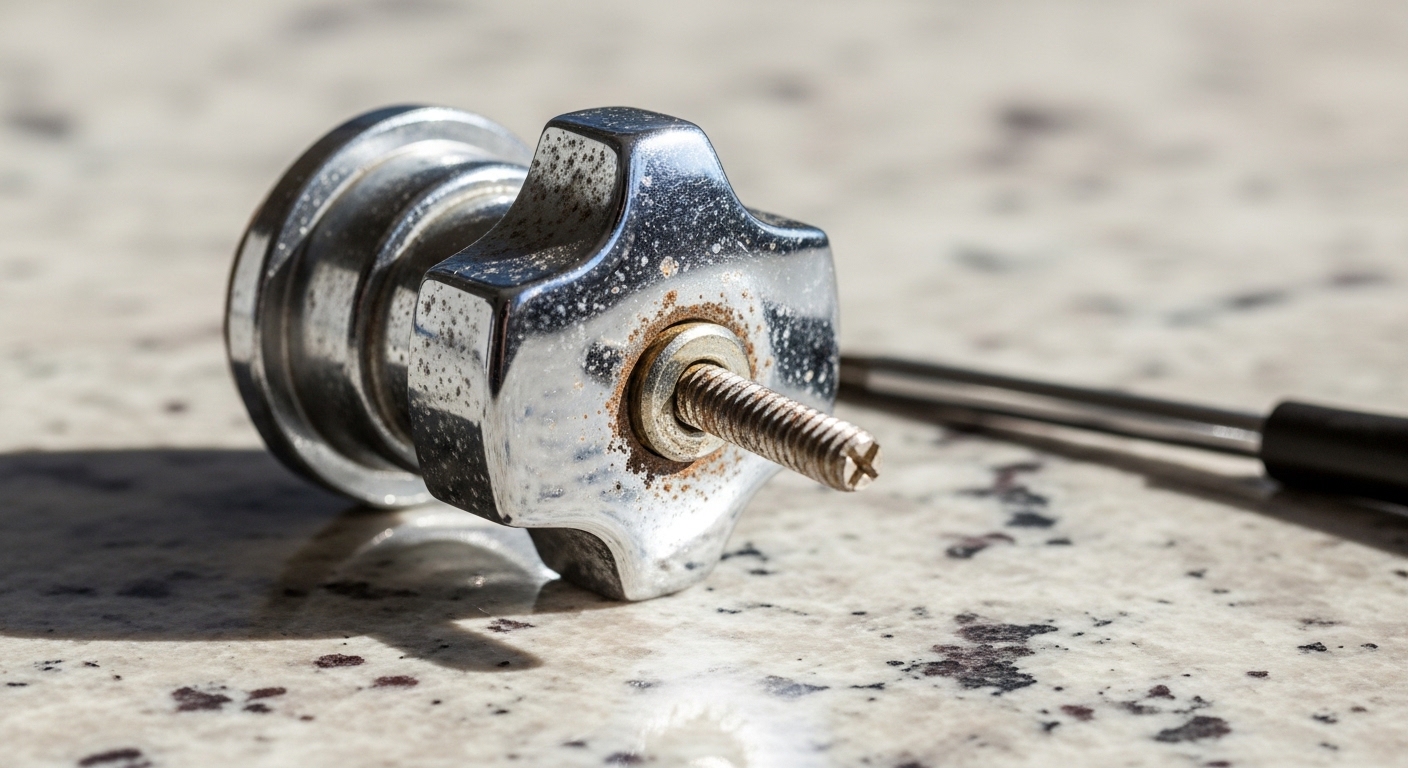
If your handle spins without controlling the water, wobbles on its stem, or simply looks tired next to a freshly cleaned sink, a kitchen faucet knob replacement is almost always the smart move before you spend hundreds on a whole new faucet. The knob — sometimes called the handle or lever — is a wear part. It takes the daily torque, the wet hands, and the cleaning chemicals, so it ages faster than the faucet body behind it. The good news: replacing it restores both function and appearance for a fraction of the cost of a full unit.
At arcorawasserhahn, we sell and test kitchen faucets and their components every day, and knob failure is one of the most common reasons customers think they need a replacement faucet when they don’t. Below, we’ll help you diagnose the problem, match the correct part, and decide whether to repair or upgrade.
Why Kitchen Faucet Knob Replacement Is Worth Doing
A failing knob rarely means the faucet is finished. The cartridge, the spout, and the supply connections can all be in excellent condition while the knob alone has given up. Choosing a targeted kitchen faucet knob replacement instead of a full swap saves money, avoids re-plumbing under the sink, and keeps a faucet you already like.
Common symptoms that point to the knob rather than the cartridge:
- The knob turns but water flow or temperature doesn’t change correctly — usually a stripped broach (the splined connection between knob and stem).
- The knob is loose and wobbles — a backed-out set screw or worn adapter.
- The handle is cracked, pitted, or the finish is flaking — cosmetic, but it spreads and harbors bacteria.
- The lever is hard to grip when wet — an ergonomics problem solved by a better-shaped knob.
- The knob no longer matches an updated kitchen — a finish upgrade.
If, on the other hand, water drips from the spout or pools around the base of the handle, the cartridge or O-rings are the likely culprit — not the knob. A leak specifically at the handle on a pull-down model is a separate diagnosis; see our guide on why a pull-down kitchen faucet leaks at the handle before ordering a knob.
Identify Your Knob Type Before You Buy
The single biggest mistake in any kitchen faucet knob replacement is ordering before you’ve identified the connection. The visible shape of the knob matters far less than how it attaches to the valve stem underneath.
Knob vs. Lever vs. Cross Handle
„Knob“ is used loosely. In kitchen faucets you’ll encounter three broad styles, and they’re often interchangeable as long as the stem connection matches:
- Round or barrel knob — a compact grip you twist; common on two-handle bridge and centerset kitchen faucets.
- Single lever — the dominant style on modern single-hole kitchen faucets; one lever controls both volume and temperature.
- Cross handle — a four-spoke handle with a traditional look, popular on transitional and farmhouse kitchens.
The Stem Connection Is What Actually Matters
Underneath every knob is one of a few connection types. Getting this right is the whole game:
- Broach / splined stem — the stem has fine teeth; the knob has a matching socket. Count or photograph the splines.
- Square or D-shaped stem — common on older or budget faucets; the knob slides on and is held by a screw.
- Set-screw (grub-screw) mount — a small hex screw on the side or under the lever clamps the knob to a round stem.
- Universal adapter knobs — sold with a kit of plastic inserts that fit multiple broach patterns.
Find Your Faucet Model Number
Whenever possible, buy a knob made for your specific faucet line. Check under the sink, on the original paperwork, or on the underside of the spout for a model number. Identifying the exact model removes all guesswork — the same disciplined approach we recommend in our guide to identifying a shower faucet model applies equally to kitchen faucets.
Comparing Kitchen Faucet Knob Replacement Options
Once you know your connection type, you’ll choose between several categories of replacement knob. Each has trade-offs in cost, fit certainty, and durability.
| Knob Option | Fit Certainty | Typical Price Range | Best For | Drawback |
|---|---|---|---|---|
| OEM brand-specific knob | Highest — exact match | €12–€35 | Keeping a faucet original and warranty-safe | Can be discontinued on older faucets |
| Universal adapter knob kit | High — multiple inserts included | €8–€20 | Unknown or obsolete faucet models | Slightly bulkier; insert can wear over time |
| Aftermarket exact-replica knob | Medium-high | €6–€18 | Common faucet brands, budget repairs | Finish may not perfectly match aged faucet |
| Decorative upgrade knob/lever | Medium — verify stem fit | €15–€45 | Style refresh, finish change | Requires careful matching of broach |
| Full handle assembly (knob + adapter + screw) | Highest for worn stems | €18–€50 | Stripped stems or corroded hardware | Highest cost of the repair options |
For most homeowners, an OEM knob or a universal adapter kit is the sweet spot. If the stem itself is stripped, don’t fight it — order a full handle assembly so the new adapter rides on undamaged splines.
Choosing the Right Finish for Your Replacement Knob
A kitchen faucet knob replacement is also a chance to correct or upgrade the finish. The knob is handled constantly, so finish durability matters more here than almost anywhere else on the faucet.
| Finish | Fingerprint Resistance | Durability | Style Match |
|---|---|---|---|
| Polished Chrome | Low — shows water spots | Excellent | Classic, fits almost any kitchen |
| Brushed / Stainless Nickel | High | Excellent | Modern and transitional kitchens |
| Matte Black | Medium-high | Good — avoid abrasive cleaners | Contemporary, high-contrast kitchens |
| Brushed Gold / Champagne Bronze | High | Good | Warm, design-forward kitchens |
If you’re choosing between the two most common metals, our comparison of polished chrome vs. polished nickel explains how they wear and clean differently — useful when you want the new knob to age gracefully alongside the rest of the faucet.
One realistic note: a brand-new knob on a years-old faucet may look slightly brighter than the surrounding finish at first. This usually evens out, but if the faucet’s existing finish is already pitted or peeling, you may want to address that first — our advice on handling a damaged faucet surface covers when a finish problem signals a bigger replacement.
How to Replace a Kitchen Faucet Knob: Step by Step
Most kitchen faucet knob replacements take 15–30 minutes. You rarely need to shut off the water for a knob-only job, but turning off the supply valves under the sink is cheap insurance if you’re nervous.
Tools You’ll Need
- Allen/hex key set (for set screws)
- Flathead and Phillips screwdrivers
- Adjustable wrench or pliers (wrap jaws in tape to protect the finish)
- Penetrating oil for corroded hardware
- A soft cloth and white vinegar for cleaning the stem
- Your correctly identified replacement knob
The Procedure
- Locate the set screw or cap. On lever handles it’s often hidden under a small decorative cap (usually marked red/blue or with a logo). Pry the cap off gently with a flathead.
- Loosen the set screw. Turn it counter-clockwise — don’t fully remove it unless necessary, as these screws are small and easy to lose down the drain.
- Pull the old knob straight up. If it’s stuck from mineral buildup, apply penetrating oil, wait ten minutes, and rock it gently. Never pry hard against the faucet body.
- Inspect and clean the stem. Wipe the splines with a vinegar-dampened cloth to remove scale. Check that the splines are intact — if they’re rounded off, install the adapter from a full handle kit.
- Fit the new knob. Align it to the closed position (or off position for a single lever) so it sits at the correct angle, then press it down fully onto the stem.
- Tighten the set screw. Snug, not forced — overtightening can crack a knob or strip the screw.
- Test before you walk away. Run hot and cold, check that the knob’s range of motion is correct, and confirm it shuts off completely with no drip.
If, after installation, the knob works backwards — hot where cold should be, or the lever feels reversed — that’s an orientation issue, not a defective part. Our walkthrough on how to reverse the direction of a faucet handle explains the quick correction.
When a Knob Replacement Isn’t Enough
Be honest about the diagnosis. A kitchen faucet knob replacement fixes the knob — it does not fix a worn cartridge, a leaking spout, or low pressure. If you replace the knob and still have problems, the issue was always deeper. Order a knob when the symptom is loose, stripped, cracked, or dated. Look past the knob when the symptom is dripping, hard to turn at the valve itself, or inconsistent temperature mixing.
A stripped stem is the gray area. If the splines on the stem are damaged, a new knob will only spin again within weeks. In that case, a full handle assembly with a fresh adapter — or, if the stem is part of the cartridge, a cartridge replacement — is the durable fix.
Buying Tips to Get It Right the First Time
- Photograph the stem before ordering — splines, shape, and any set-screw location.
- Measure the stem height and diameter with calipers if you can; it narrows universal kits quickly.
- Buy the set screw too if yours is corroded; replacements are cheap and brand-specific.
- Match the finish family, not just the color name — „nickel“ varies between manufacturers.
- Keep the packaging until you’ve tested the knob, in case the broach doesn’t seat correctly.
About arcorawasserhahn — Author Note & Credibility
This guide was written by the arcorawasserhahn product team, drawing on years of hands-on experience fitting, testing, and troubleshooting kitchen and bathroom faucets for European households. Every faucet and replacement component we sell is tested against recognized plumbing-fixture standards for flow, durability, and finish adhesion, and our kitchen faucets are backed by a manufacturer warranty so a knob or cartridge issue down the line is covered, not your problem. When we recommend a repair over a replacement, it’s because we’ve seen what actually lasts on a real sink — not because it moves more product. If you’re unsure which knob fits your faucet, our support team can match it from a photo of the stem.
FAQ
Can I replace a kitchen faucet knob without turning off the water?
Usually yes — a knob sits above the valve, so removing it doesn’t open the water path. That said, shutting the supply valves under the sink takes 30 seconds and protects you if you accidentally disturb the cartridge. For beginners, we recommend turning the water off.
How do I know if I need a new knob or a new cartridge?
If the knob is loose, cracked, spins freely, or just looks dated, replace the knob. If water drips from the spout, the temperature won’t mix correctly, or the faucet is hard to turn at the valve itself, the cartridge is the problem. A knob replacement won’t fix a cartridge fault.
Are kitchen faucet knobs universal?
Not entirely. The grip style is flexible, but the stem connection — broach pattern, square, D-shape, or set-screw — must match. Universal adapter kits include several plastic inserts to cover the most common broach patterns, which is the safest option when you can’t identify your faucet model.
Why does my new knob still feel loose after installation?
The most common cause is a stripped stem: the splines are worn round, so the knob can’t grip. Inspect the stem closely. If the splines are damaged, install a full handle assembly with a fresh adapter, or replace the cartridge if the stem is integral to it.
Will a replacement knob match my faucet’s finish exactly?
A brand-specific OEM knob in the same finish will match closely, though a new part can look slightly brighter than an aged faucet at first. Finish names like „brushed nickel“ also vary between manufacturers, so match the finish family and, ideally, the brand rather than relying on the name alone.
How long does a kitchen faucet knob replacement take?
For a straightforward set-screw or broach-mounted knob, expect 15 to 30 minutes including cleanup. Corroded hardware that needs penetrating oil, or a stripped stem that requires a full handle assembly, can add another 20 minutes.
- How Do You Do a Tub Spout Pipe Replacement...
- What’s Actually in a Good Outdoor Fa...
- Who Are the Best Outdoor Faucet Manufactur...
- Is a Freestanding Tub Faucet Tub Mount the...
- Shower Faucet Elevation CAD Block: The 202...
- Is a Matte Black Faucet Widespread Setup W...
- Is a Stainless Steel Shower System Worth I...
- Jado Wall Mount Faucet: The 2026 Commercia...
您好!Bitte einloggen